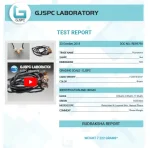
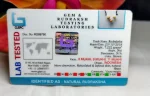
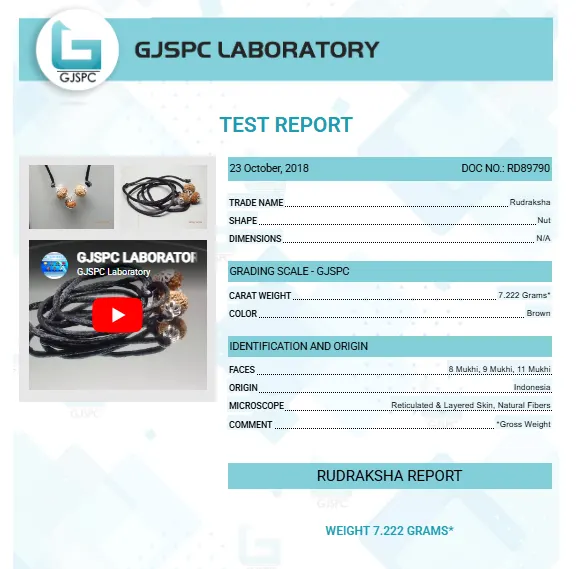
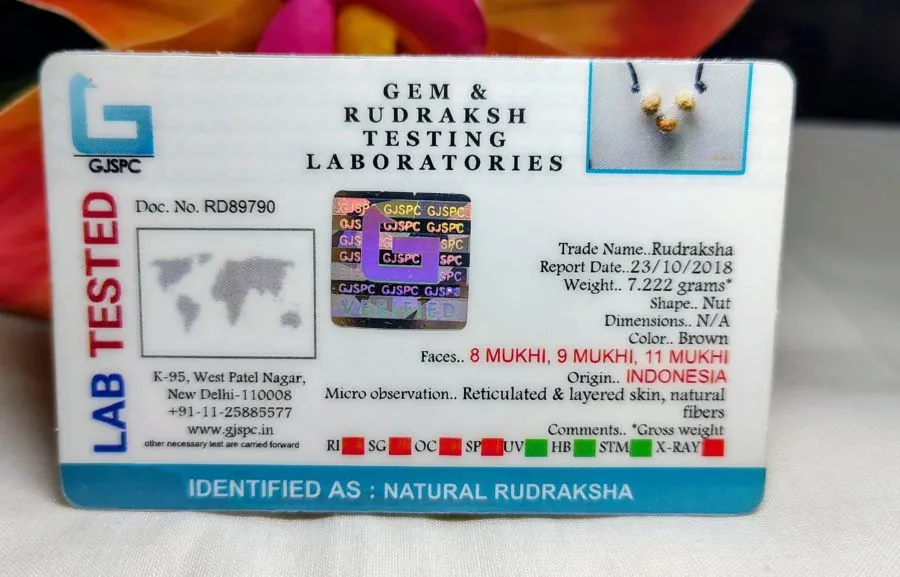
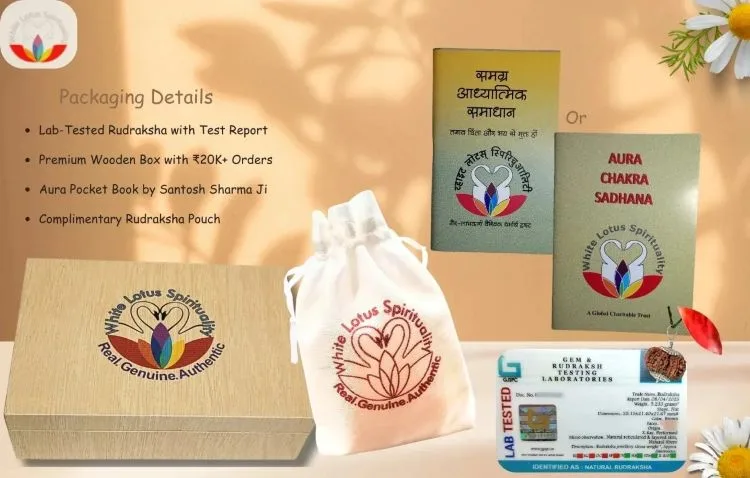
Buy Natural and Certified Kala Sarpa Dosh Rudraksha (Narayan)
Kala Sarpa Dosha is one of the most talked about and most misrepresented planetary conditions in Vedic astrology. The name itself has been weaponised by a section of the astrological community to frighten people and extract money through expensive rituals, yantras, and donations. Dr. Santosh Sharmaa is direct about this: fear-mongering in the name of Kala Sarpa Dosha is a business model, not a remedy.
Understanding what Kala Sarpa Dosha actually is immediately cuts through the fear. Kala means time or lifespan. Sarpa means snake. The snake does not move in a straight line — it crawls in a zigzag pattern. This describes the life experience of someone with this dosha precisely: consistent hard work, genuine effort, real capability — but results that are disproportionately small, delayed, and frustrating. Nothing comes easily. Everything requires more struggle than it should. The potential is there, but it cannot fully express itself. This is Kala Sarpa Dosha.
The remedy is not ritual. It is addressing Rahu and Ketu through the correct Rudraksha combination.
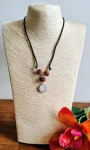
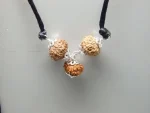
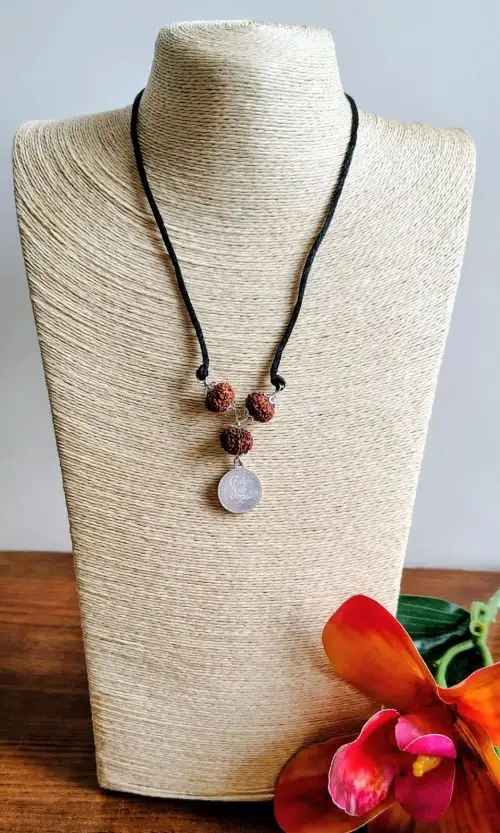
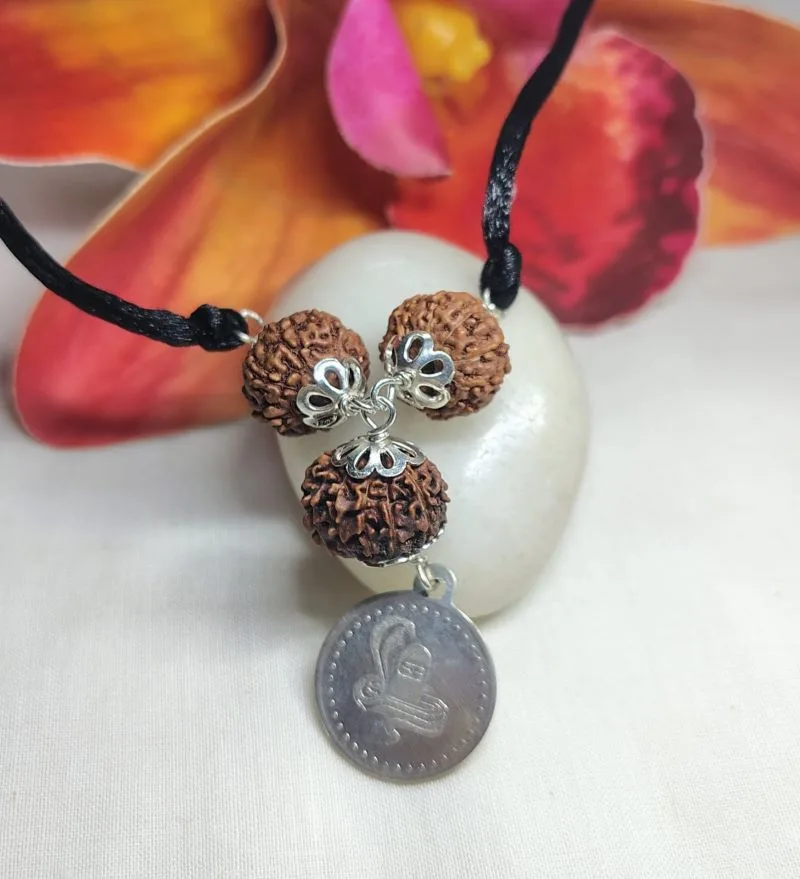
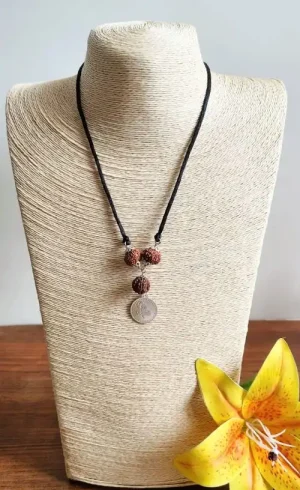
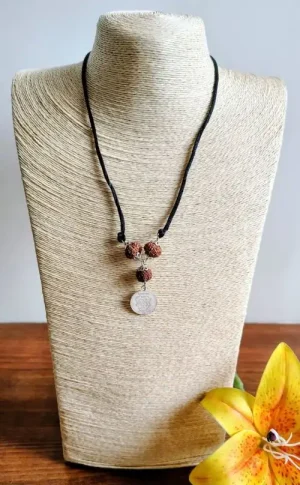
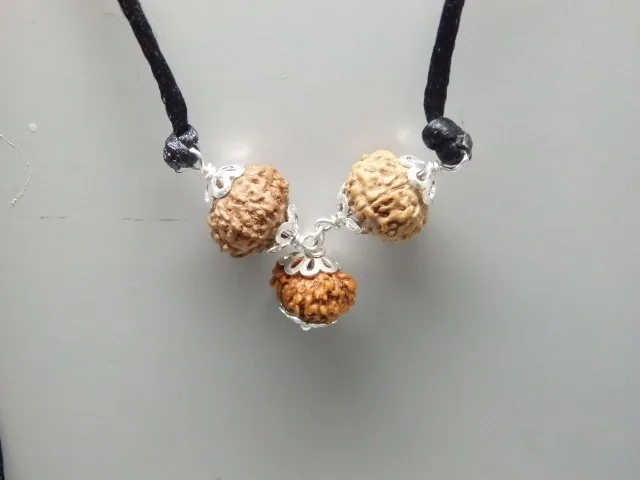
Kala sarpa rudraksha mala (Narayan)
The Narayan Mala contains three specific Rudrakshas, each addressing a distinct dimension of Kala Sarpa Dosha’s effects.
The 8 Mukhi Rudraksha is for Ketu, ruled by Lord Ganesha. A common misconception in the market is that 8 Mukhi is for Rahu and 9 Mukhi is for Ketu. This is completely wrong. The 8 Mukhi addresses Ketu’s anxiety-producing, confusing, and spiritually destabilising effects. 8 mukhi rules over the Crown chakra, at the top of the head.
The 9 Mukhi Rudraksha is for Rahu, ruled by Lord Bhairava, and its affliction creates confusion, disorientation, fear, and the persistent sense of being trapped in circumstances beyond one’s control. Rahu governs the Mooladhara Chakra (root chakra).
The 10 Mukhi Rudraksha is for Lord Vishnu (also Lord Krishna), the divine protector and preserver. It adds a layer of powerful protection from negative energies, bad dreams, and harmful influences from the external environment.
This specific combination — 8+9+10 — is recommended for those experiencing bad dreams and nightmares, sleep disorders and inability to get restorative sleep, waking up drained and anxious, the persistent feeling that someone is sending negative or harmful energy toward them, fear and unexplained anxiety, and a general sense that negative forces are at play in their life.
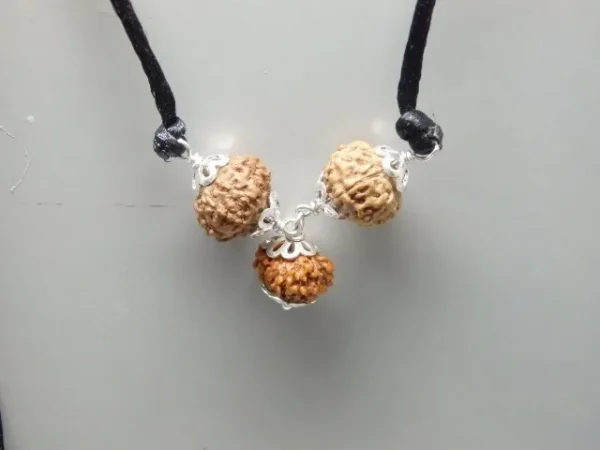
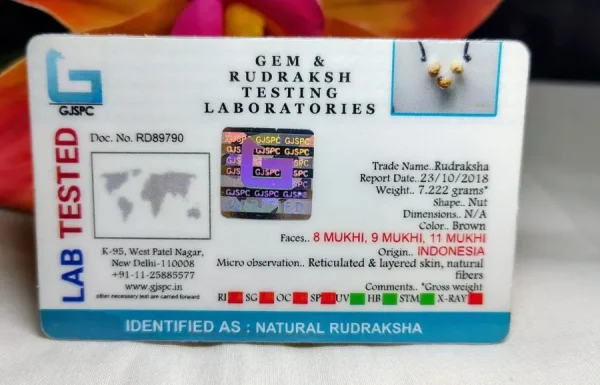
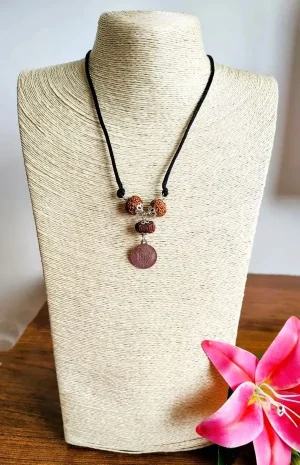
Kalasarpa rudraksha mala (Hanuman)
The 8 Mukhi Rudraksha is for Ketu, ruled by Lord Ganesha. A common misconception in the market is that 8 Mukhi is for Rahu and 9 Mukhi is for Ketu. This is completely wrong. The 8 Mukhi addresses Ketu’s anxiety-producing, confusing, and spiritually destabilising effects. 8 mukhi rules over the Crown chakra, at the top of the head.
The 9 Mukhi Rudraksha is for Rahu, ruled by Lord Bhairava, and its affliction creates confusion, disorientation, fear, and the persistent sense of being trapped in circumstances beyond one’s control. Rahu governs the Mooladhara Chakra (root chakra).
The 11 mukhi is for Pancha mukh Hanuman, who represents our panch bhoota physical body. Our body is made of 5 basic elements: earth, water, fire, air, and sky. In case of imbalances in these, tridosh: vata, pitta, and kafa get activated, which lead to various physical and mental problems. 11 Mukhi Rudraksha keeps us in a healthy state of mind and body.
Chakra Practice for This Mala
The Aura Chakra Sadhana practice that specifically activates the Narayan Mala is dual. For Rahu (9 Mukhi), practise Mooladhara Chakra Sadhana — sit quietly, visualise the colour red at the root chakra at the base of the spine, and hold this visualisation with focused breath. For Ketu (8 Mukhi), practise Sahasrara Chakra Sadhana — visualise white colour at the crown of the head. These two practices together address the full Rahu-Ketu axis that creates Kala Sarpa Dosha. Practise consistently, without gaps, for sustained results. Results deepen within up to 30 days of consistent wearing, combined with regular chakra practice.
Wearing Guidelines
Wear the mala around the neck. Every bead is energised through proper Vedic puja before dispatch. No dietary restrictions apply. Remove before bathing. Store in a wooden or copper box when not worn. Never share the mala.
Care Instructions
Apply olive oil, sandalwood oil, or pure cow ghee occasionally to maintain the beads’ surface. Store in a wooden or copper box when not worn.
Dispatch Time:
We dispatch all orders within 48-72 hours of Order Confirmation. Please note, Orders placed on Weekends or Public Holidays will be processed on the next Business day.
Delivery Time:
● For India: Expect your order to arrive within 2-5 Business Days. Delivery times may vary due to External Factors. We appreciate your patience and strive to deliver your order as promptly as possible.
● Outside India: Expect your order to arrive within 7-10 Business Days. Delivery times may vary due to External Factors. We appreciate your patience and strive to deliver your order as promptly as possible.
Shipping Charges:
● There will be no Shipping Charges if the Order is received from India.
● Outside India, the Delivery Charges will be ₹3,000 (Indian post) or ₹6,000 (FedEx)
Shipping Channel:
● For India, the product will be shipped through DTDC Services.
● Outside India, the product will be shipped through FedX or Indian Speed Post.
Order Tracking:
● A tracking number will be provided via Email/WhatsApp Message upon dispatch. Use this number to monitor your Order’s journey on the Courier’s Website.